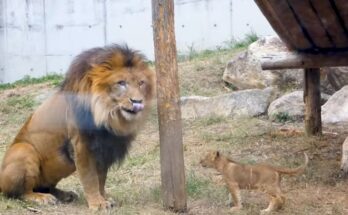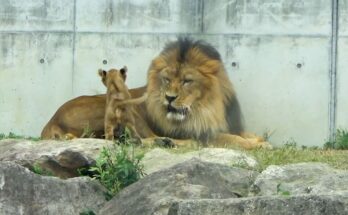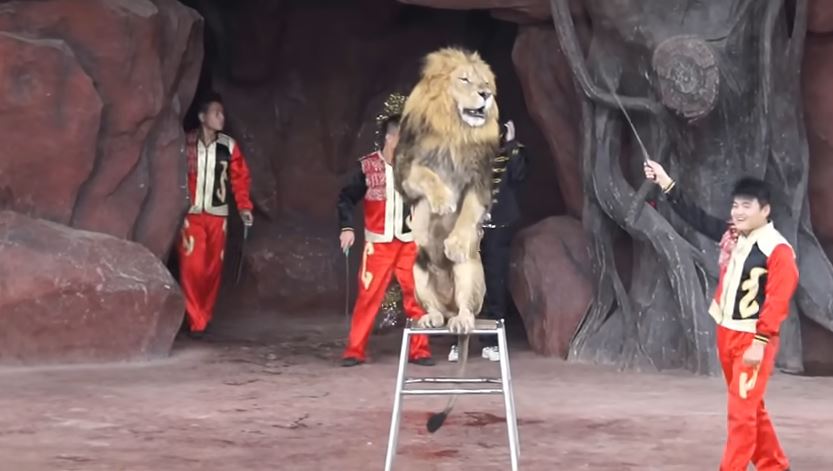
The Lion and Tiger Show in China has long been one of the most recognized attractions in certain traditional circuses and wildlife parks. These performances typically feature trained big cats—most commonly African lions and Bengal or Siberian tigers—carrying out choreographed routines such as jumping through hoops, balancing on platforms, or responding to a trainer’s cues. For many visitors, the chance to see these powerful animals up close is exciting and unforgettable. The shows are often promoted as demonstrations of strength, agility, and the long-standing human fascination with wild predators.
Historically, such performances became popular during the twentieth century, when traveling circuses spread across China and other parts of Asia. Over time, they evolved into more elaborate productions, often accompanied by music, lighting effects, and theatrical storytelling. Some venues present the shows as cultural showcases, incorporating traditional Chinese costumes or themes to enhance the entertainment value.
However, in recent years, the lion and tiger show has also become the center of increasing public debate. Animal-welfare organizations, both within China and internationally, have raised concerns about the training methods used, the stress placed on large predators in performance environments, and the conditions under which these animals are housed. As public awareness grows, many Chinese cities and provinces have begun to discuss or implement stricter regulations on the use of wild animals in entertainment. Some wildlife parks are now shifting toward “edutainment” models, focusing on conservation messages, natural behaviors, and non-performance interactions.
Despite these changes, traditional lion and tiger shows can still be found in certain regions, drawing tourists who are curious about this long-standing circus tradition. The future of such performances in China appears to be in transition, shaped by evolving cultural attitudes and a stronger emphasis on responsible wildlife management.